

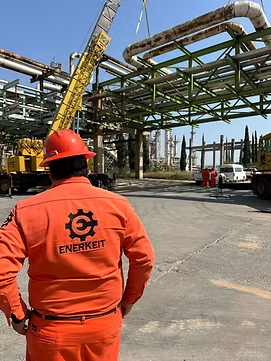
Expansion joints in Mexico
300
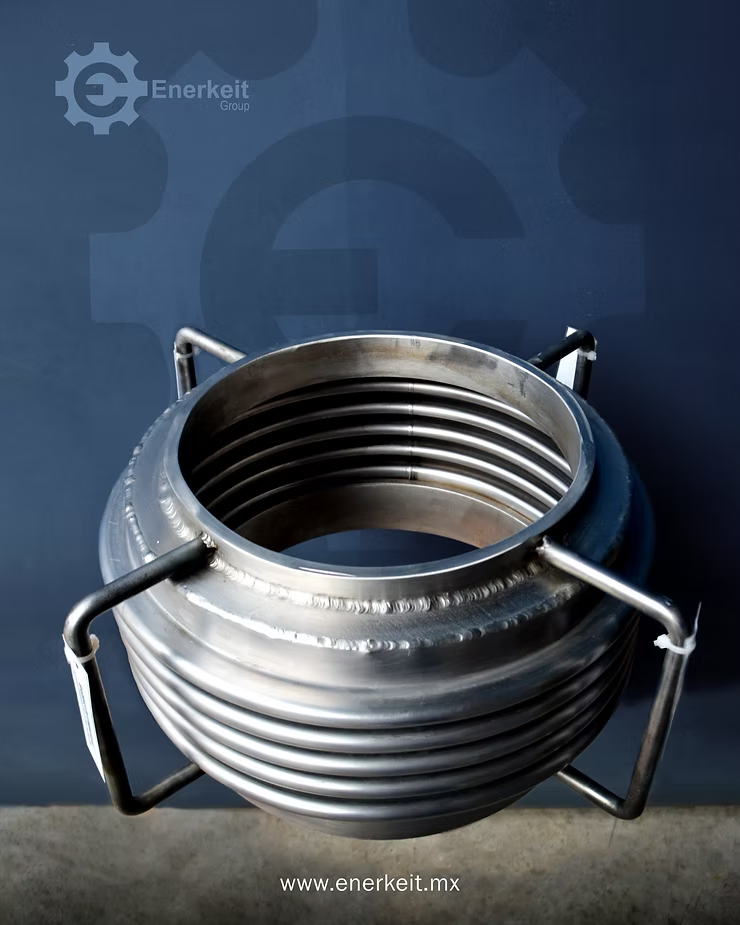
Stainless steel expansion joints are engineered for environments where corrosion resistance, temperature performance, and cleanliness are critical factors. Stainless steels contain chromium and nickel, elements that form a highly resistant passive layer that protects against oxidation and chemical attack.
The most commonly used alloys include:
These expansion joints deliver reliable performance in industrial processes involving steam, chemicals, corrosive fluids, hot gases, and marine environments. As a result, they are widely used in chemical plants, pharmaceutical facilities, food processing industries, petrochemical plants, steam generation systems, and hygienic process applications.
Each design must account for:
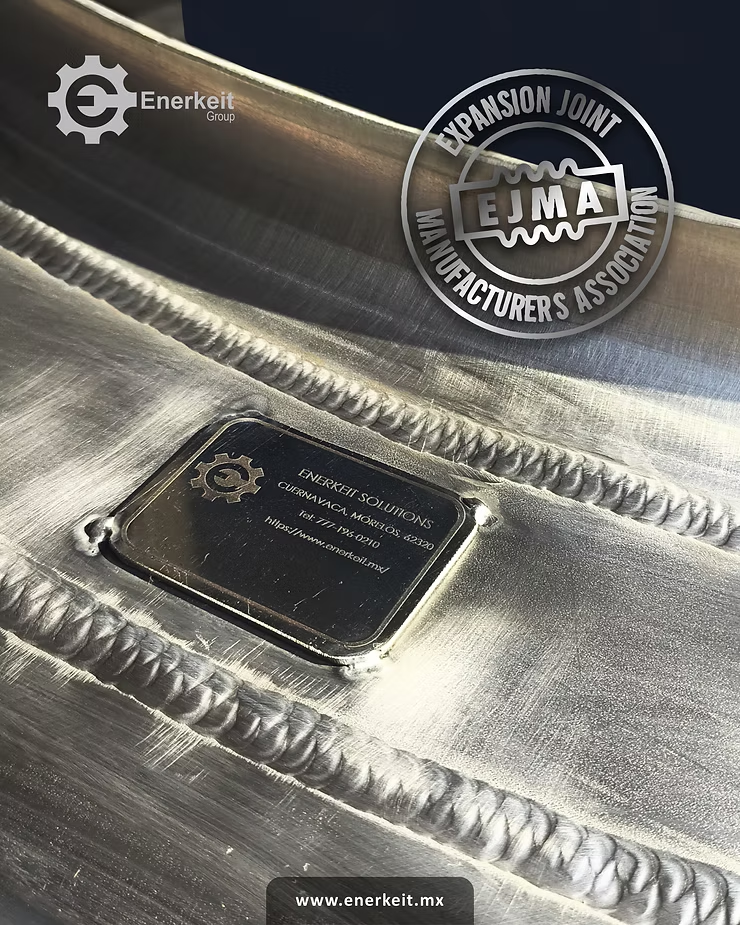
EJMA standards ensure that bellows are manufactured with the correct wall thickness, diameter, and number of convolutions to withstand mechanical stresses and achieve the intended service life.
Their durability and low maintenance requirements help reduce operating costs, minimize unplanned failures, and keep industrial operations running continuously, making stainless steel expansion joints one of the most reliable solutions in piping engineering.
Sign in with Google to join the conversation.